The dynamic coupled biogeochemical/ecological model chain ForSAFE-Veg was used to evaluate ecological effects of atmospheric nitrogen (N) and sulfur (S) deposition in the context of a changing climate at two hardwood forest sites in the eastern United States.
Increases in anthropogenic emissions of sulfur (S) and nitrogen (N) have resulted in increases in the associated atmospheric deposition of acidic compounds.
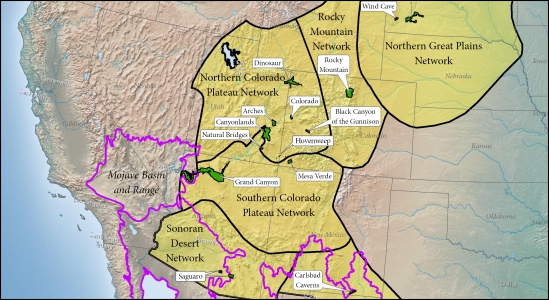
This project applies empirical and modeled critical loads (CLs) to fine-scale maps of selected national parks in the intermountain West that are considered to be most at risk from increases in atmospheric nitrogen (N) deposition from oil and gas-related activities.
The Appalachian National Scenic Trail (AT) is one of the longest footpaths in the world, spanning ~2,180 miles (3,500 km) from northern Georgia to central Maine.
Shenandoah National Park (SHEN) has among the most comprehensive air quality monitoring and research program of all national parks and wilderness areas that are afforded special protection under the Clean Air Act.
This project evaluates the sensitivity of all Inventory and Monitoring (I&M) national parks in the United States to potential acidification effects caused by atmospheric sulfur (S) and nitrogen (N) deposition.
This project evaluates the sensitivity of all Inventory and Monitoring (I&M) national parks in the United States to potential nutrient enrichment effects caused by atmospheric nitrogen (N) deposition.
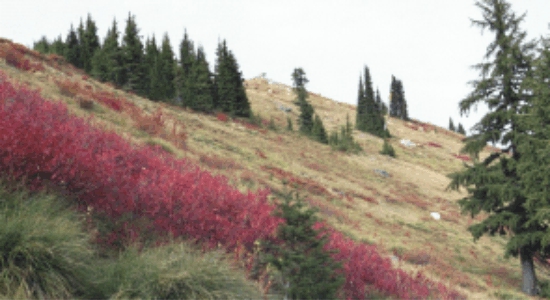
The ForSAFE-VEG model was applied to estimate changes in soil chemistry and ground vegetation of a generalized plant community in the alpine and subalpine zones of the Rocky Mountains region of the United States during the period 1750-2400 AD in response to changes in air pollution and climate.